

Your dog's digestive health is really important for their health. It helps them absorb the stuff from their food, stay strong and healthy, and have lots of energy. So lots of people who have dogs are wondering: Are probiotics for dogs?
Probiotics are like guys that help keep the bad guys in your dog's tummy in check. Sometimes, when your dog is stressed or eats something, gets sick, or takes medicine, the bad guys can take over and make your dog feel sick to their stomach or have trouble going to the bathroom. Probiotics can help restore things naturally.
This guide will tell you about the things probiotics can do for dogs, where to find probiotics naturally, and how to pick the best probiotics for your dog.
Must Try: Top Signs of Illness in Dogs: Early Warning Symptoms
Probiotics are bacteria that help our dogs feel better. Dogs need bacteria in their stomachs to break down the food they eat, get the good stuff from it, and fight off the bad guys. A dog has a lot of bacteria in its stomach; we are talking about a quantity. If the good and bad bacteria get out of balance, our dogs can get sick, and their immune system can weaken. They can get skin problems. Probiotics help restore the bacteria in our dogs' stomachs, so their stomachs work better. We can find probiotics in supplements, powders, treats, capsules, and even in some dog foods.
Your dog needs a digestive system to feel good every day and stay well for a long time. Your dog's digestive system is very important. Probiotics are good for your dog because they help maintain gut flora balance and help your dog digest food better. They support many other systems in the body of your dog. Probiotics are really helpful for the system of your dog.
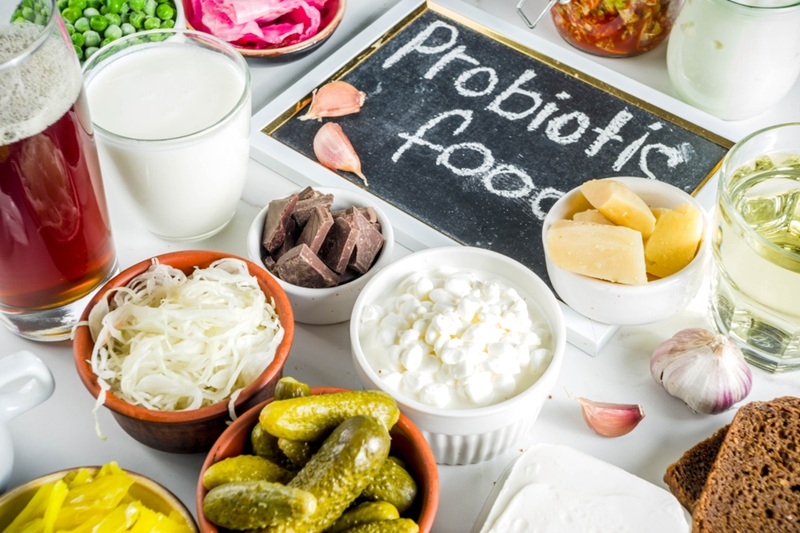
Many people who own dogs prefer to give their dogs probiotics found in food rather than supplements. Some fermented foods that are high in nutrients contain bacteria that help dogs digest their food. When you want to give your dog food, do so slowly and talk to a veterinarian before making any big changes to what your dog eats. Here are some natural probiotics for dogs:
Don't Miss: Flea Tick Prevention for Dogs: Vet Picks to Try Today!
Choosing the best probiotics for dogs can feel overwhelming due to the wide variety of products available. The right supplement depends on your dog’s size, breed, age, and digestive needs. Understanding key quality factors can help you make a safer and more effective choice.
Probiotic strength is measured in colony-forming units (CFUs). A higher CFU count means more beneficial bacteria. Most dogs benefit from products containing millions to billions of CFUs, depending on their size.
Different bacterial strains serve different purposes. A combination of strains provides broader digestive and immune benefits than single-strain products.
Human probiotics may not suit a dog’s digestive system. Supplements specially formulated for dogs ensure better compatibility and effectiveness.
Avoid artificial additives, fillers, and preservatives. High-quality probiotics often include natural ingredients and prebiotics that support the growth of beneficial bacteria.
Probiotics are available in powder, capsule, chewable, and liquid forms. Flavored chews or powders mixed with food are often easier to administer.
If your dog has chronic digestive problems or medical conditions, professional guidance ensures you choose a safe and suitable probiotic.
Probiotics are usually safe for dogs when given in the right amount. Your dog might get gas or feel bloated for a short time when they first start taking probiotics. Really bad reactions rarely occur when you use high-quality probiotics and follow the instructions. If your dog is sick or has an immune system issue, they should only take probiotics if the veterinarian approves.
Read More: Learn Food Allergy Symptoms in Dogs and How to Spot Them
Probiotics are really helpful in many situations. For example, you can use them after taking antibiotics. They are also good when you have issues like diarrhea. Some people even give their pets probiotics every day as part of their pets' health routine.
Probiotics are given to dogs with stomach problems during stressful situations. This can be when they are traveling or staying in a boarding place. Probiotics are also good for dogs that have slower digestion. Pet owners give probiotics to support these dogs and help them feel better.
Are probiotics good for dogs? The answer is usually yes. Probiotics help dogs have a digestive system. They also make dogs stronger and better at fighting off sickness. Probiotics even help dogs get the stuff from the food they eat.
You can give your dog probiotics as a supplement or through the food they eat every day. Either way probiotics are a thing to add to your dogs daily routine. Just make sure to pick a product and start with a little bit to see how your dog does. This way you can be sure your dog will be safe and get the effects from the probiotics. When you give your dog the probiotics they will have an easier time eating and will have more energy. Your dog will also be healthier, for a time.
Yes, most dogs can safely take probiotics daily when given appropriate doses and high-quality supplements.
Some improvements may appear within a few days, but noticeable digestive benefits usually develop after a few weeks of consistent use.
Yes, probiotics can support puppies with sensitive digestion, but dosage should be guided by a veterinarian.
Natural food sources help maintain gut health, while supplements provide concentrated doses for stronger digestive support.
This content was created by AI