

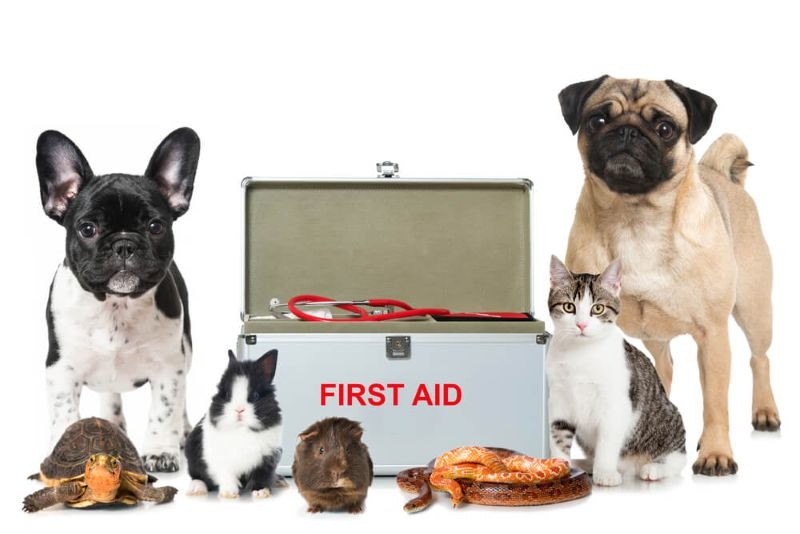
Pets don’t understand disasters. They react fast, panic quicker, and depend on you completely. Fires, floods, storms — they don’t wait for you to get organized. Most people plan for themselves, not for their animals. That gap creates chaos. A leash missing, no food packed, no ID — small things, but they matter when time is tight. Planning early feels excessive until it suddenly isn’t. You don’t need perfection, just readiness. In this blog, we break down a practical, slightly messy, but real approach to keeping your pets safe when things go wrong.
A proper pet emergency preparedness guide is not a checklist you glance at once. It’s something you build, forget, then update again. Pets rely on routine; disasters destroy routine — that mismatch is the real problem.
Start simple. Identify risks in your area. Flood-prone? Earthquakes? Fires? Your plan changes depending on that. A high-rise apartment pet has different needs than one in a rural house. Seems obvious, often ignored.
You’ll need a separate kit. Not mixed with yours. Not half-packed.
Include:
Each item matters. Food ensures stability when supplies vanish. Medical records help if you land in a new clinic. The photo is useful if your pet gets lost; people forget how crucial that is.
Collars fall off. Tags break. Still, use them. Add a microchip if possible. It’s not dramatic protection, just practical. In crowded shelters, scanned IDs reconnect pets fast. Without it, your pet becomes just another animal. Also, attach a temporary tag during emergencies with your current contact. Phones change. Locations shift. Adjust.
Not all shelters accept pets. That’s the harsh part. Research pet-friendly shelters or hotels ahead of time. Ask a friend outside your area. Make a short list. Keep it written, not just saved digitally — power cuts happen.
Also Read: Safe Travel Tips with Pets: From Car Rides to Plane Flights
Pet emergency preparedness is not only about leaving. Sometimes you stay in. That needs planning too.
Pick a room or corner where your pet can stay during chaos. Keep it stocked with basic supplies. Close windows, remove sharp objects, and reduce noise exposure. Animals react to sound — storms, sirens, shouting. A controlled space reduces panic.
A pet that listens only when calm isn’t trained. Practice recall commands in slightly stressful settings. Not extreme — just mild distractions. It builds response reliability. When evacuation happens, you won’t have time to negotiate with your dog or chase your cat.
People store carriers in lofts or locked rooms. Useless. Keep them within reach, especially for cats or small pets. In emergencies, animals hide. You need quick containment, not a search operation.
An emergency plan for pets should align with your family’s plan. Not separate. Not secondary.
Who grabs the pet? Who carries the kit? Who checks doors? Assign roles clearly. In panic, people assume someone else is doing it. That’s how pets get left behind.
You may not be home when disaster hits.
Decide in advance:
Share keys. Inform neighbors. Write instructions. This feels excessive until it saves time.
Sounds extreme, but it works. Run a mock drill once or twice. Time it. Notice gaps. Maybe your pet hides, maybe the kit is incomplete. Better to fail in practice than in reality.
Don't Miss: How to Pet Proof Your Home: Essential Safety Checklist
How to prepare pets for emergencies isn’t about telling them what’s coming — it’s about conditioning behavior slowly.
Many pets resist carriers because they associate them with vet visits. Fix that. Leave the carrier open at home. Let them enter voluntarily. Add treats. Build neutral or positive associations. So when urgency hits, they don’t fight you.
Play low-level recordings of thunder or alarms. Increase slowly over time. This reduces shock response during real events. It’s not perfect training, but it softens reactions. That helps.
Keep digital and printed copies. In emergencies, clinics may not have access to your usual vet records. Quick documentation speeds treatment. Especially for pets with chronic conditions.
Pet emergency preparedness tips often sound repetitive — until one detail gets missed.
It sounds obvious, yet it happens. If it’s unsafe for you, it’s unsafe for them. Leaving pets behind drastically reduces their survival chances. Plus, many emergency services won’t return to retrieve animals later.
Food expires. Medications change. Check your emergency kit every few months. Replace items. Update documents. This is the boring part, but it keeps the plan functional.
Place a pet alert sticker on your door or window. Mention the number of pets inside. In case you’re not home, rescuers know animals are present. Small detail, big impact.
Suggested Reading: Hidden Hazards: Common Household Poisons That Threaten Pets
Pet safety during disasters is not about big heroic actions. It’s small, boring preparation done early — a packed kit, a practiced routine, a clear plan. Most people delay this because disasters feel distant. Then one day, they aren’t. And everything moves fast.
Keep it simple. Build your plan in pieces. Adjust it over time. You don’t need perfection, just readiness that holds under pressure. Your pet won’t understand what’s happening, but they will respond to you. If you stay prepared, they stay safer. That’s the entire point, really.
Check it every 3–4 months. Food expires, medicines change, and documents get outdated. A quick review keeps everything usable. Don’t wait for a disaster warning to fix your kit — it’s usually too late by then.
No, not reliably. Their priority is human safety. Some responders may help, but you shouldn’t depend on them. Your plan must assume you are responsible for your pet’s evacuation and safety.
Stay calm but act fast. Use your pet’s photo, contact local shelters, plus check nearby areas. Microchipping helps significantly here. Also inform neighbors — they often spot animals before authorities do.
Yes, some apps help track pets or store records. Still, don’t rely only on tech. Batteries die, networks fail. Always keep physical backups like printed records and ID tags.
This content was created by AI